idrottsforskning.se

Svensk elitidrott vid ett vägskäl

Successful elite sport policies

– The development of international elite sports

Veerle De Bosscher, Vrije Universiteit Brussel (VUB) & Simon Shibli, Sheffield Hallam University

Introduction

In 2023, the international research network Sports Policy factors Leading to International Sporting Success (SPLISS) celebrated its 20th birthday. This chapter provides an overview of the network’s origin, key characteristics of international elite sport policies and systems, and key findings developed through several SPLISS projects. Sweden unfortunately was unable to participate in these large-scale projects. However, it did take part in a light version in 2020, under the lead of Peter Mattsson from the Swedish Sport Confederation, whereby the SPLISS group compared financial support figures in 15 nations. A second SPLISS light study will be taken up again in 2024.

Before starting our analysis, we provide a contextual overview looking at the big picture of all participating nations and the underlying factors that contributed to the Tokyo 2020 Olympic Games. Following this introduction, our chapter is structured as follows:

  • the international context of elite sport
  • background on SPLISS
  • how we work – key characteristics of SPLISS
  • Pillar performance in 15 nations
  • summary SPLISS Key findings
  • why do nations invest in elite sport? The MESSI framework
  • final note.

The international context of elite sport

What happened in Tokyo 2020?

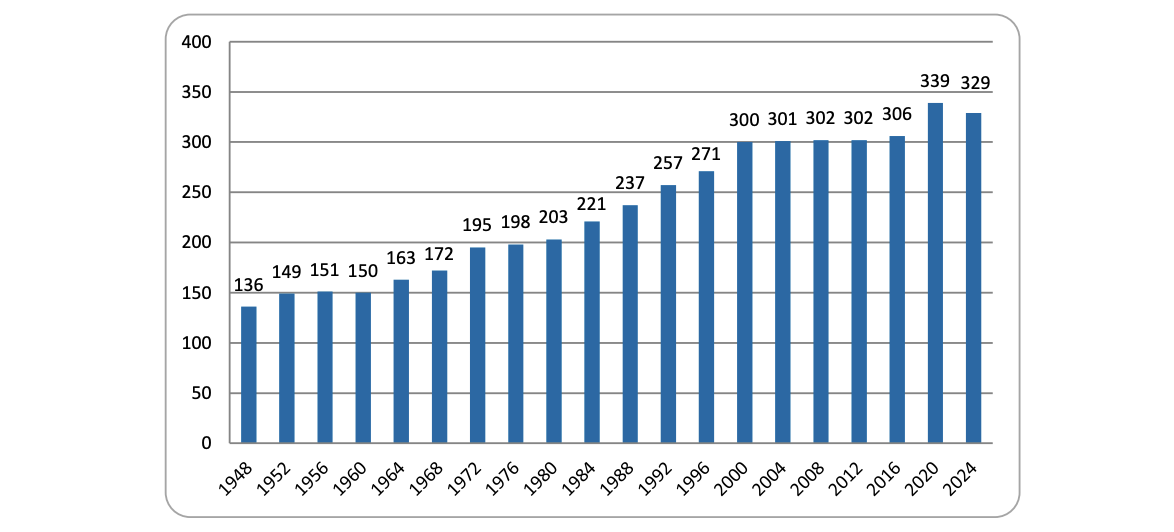
Tokyo 2020 witnessed the largest increase in the Olympic programme of all time. While at the beginning of the 21st century, the total number of events was capped around 300 by the International Olympic Committee (IOC), a different picture emerged in Tokyo 2020. Five new sports were introduced, namely baseball/softball, climbing, karate, skateboarding, and surfing. In addition, new disciplines, such as BMX freestyle and 3×3 basketball, were added; as were new events, notably mixed relay events in athletics, swimming, and triathlon. Overall, 33 new events and 107 medal winning opportunities were added to the programme, which also was the largest in Olympic history, as shown in Figure 1.

The key point about the new sports, disciplines and events was that they had never previously been part of the programme and reflected the IOC’s desire for a more “youthful and urban” event. There had never been more medal winning opportunities than in Tokyo 2020, and there was considerable interest in which nations might develop medal-winning capability in the new events.

At Paris 2024, there will be 329 events contested, which is ten fewer than at Tokyo 2020, largely because of the removal of karate (eight events). Despite the reduction in events, Paris 2024 will have the second highest number of events staged, second only to Tokyo 2020. The “youthful and urban” theme continues with the addition of two events in the sport of breaking (also known as breakdancing) to the Paris 2024 programme.

Figure 1. Number of events contested at the Olympic Games 1948–2024 Note: Updated from De Bosscher, Shibli et al., 2021

Outputs: High level overview

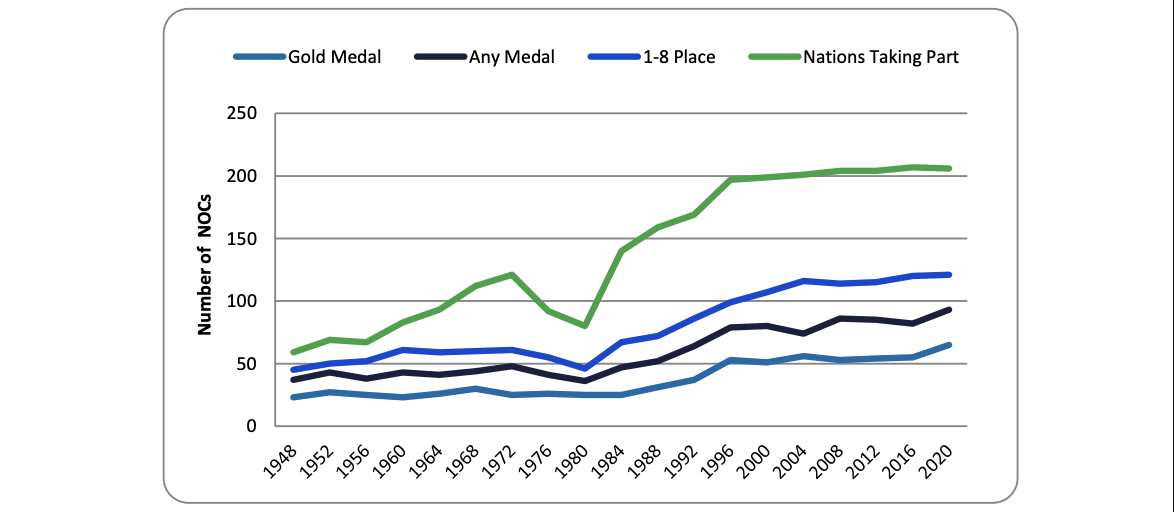
Overall, 206 nations took part in Tokyo 2020, which is one fewer than in 2016, because of the absence of North Korea. Of these nations 121 (59 percent) achieved at least one top eight place (or Olympic diploma); 93 (45 percent) won at least one medal of any colour; and 65 (32 percent) won at least one gold medal, as shown in Figure 2.

It is impossible to explain categorically why new record scores were set in all three output measures, but two high-level explanations would be the increase in medalwinning opportunities from new sports and events, as well as the impact of the disruption factors from the Covid-19 pandemic.1


1. De Bosscher, V., Shibli, S. (Ed.), research published in collaboration with, Van Roey A., Descheemaeker, K. (Ed.), et al. (2021). Tokyo 2020: Evaluation of the elite sport expenditures and success in 14 nations. Brussels: SPLISS.

Figure 2. An overview of performance in the Tokyo 2020 Olympic Games Note: Updated from De Bosscher, Shibli et al., 2021

Winners and losers at Tokyo 2020

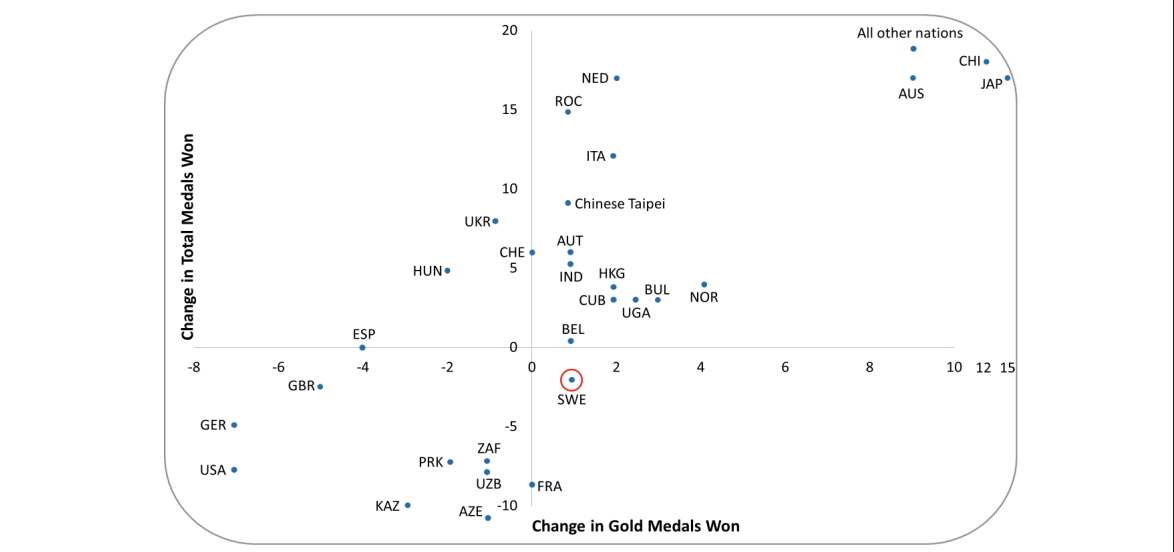
It is however possible to move beyond the high-level frame by looking at the variances in medals won by nations between Tokyo 2020 and Rio 2016, to get a picture of the winners and losers. Figure 3 opposite provides an overview of the change in gold medals won, and the change in total medals won, by the major medal-winning nations in Tokyo, compared with Rio.

Figure 3. Change in gold medals and total medals in Tokyo 2020 versus Rio 2016 Note: De Bosscher, Shibli et al., 2021

The key point about Figure 3 is that the scale of increases on both medal count measures is greater than the scale of the losses, because more medals were contested in Tokyo than Rio. Beyond this basic point, a relatively familiar pattern emerges. The host nation, Japan, performed well and is the most improved nation in terms of gold medals won. China and Australia also delivered very successful performances in Tokyo. The Russian Olympic Committee, the Netherlands, and Italy are all distinguished by gains in gold medals and increases of more than ten medals won in total. The USA, despite finishing on top of the medal table, won fewer gold medals and total medals than in 2016. Germany also experienced a decline in medals, notably seven gold medals less. Sweden won two medals fewer than in Rio, but gained one gold medal, which equates to an increase in quality and a decrease in quantity. This increase in one gold medal did nothing for Sweden’s medal table ranking though, which was 21st in both 2020 and 2016.2

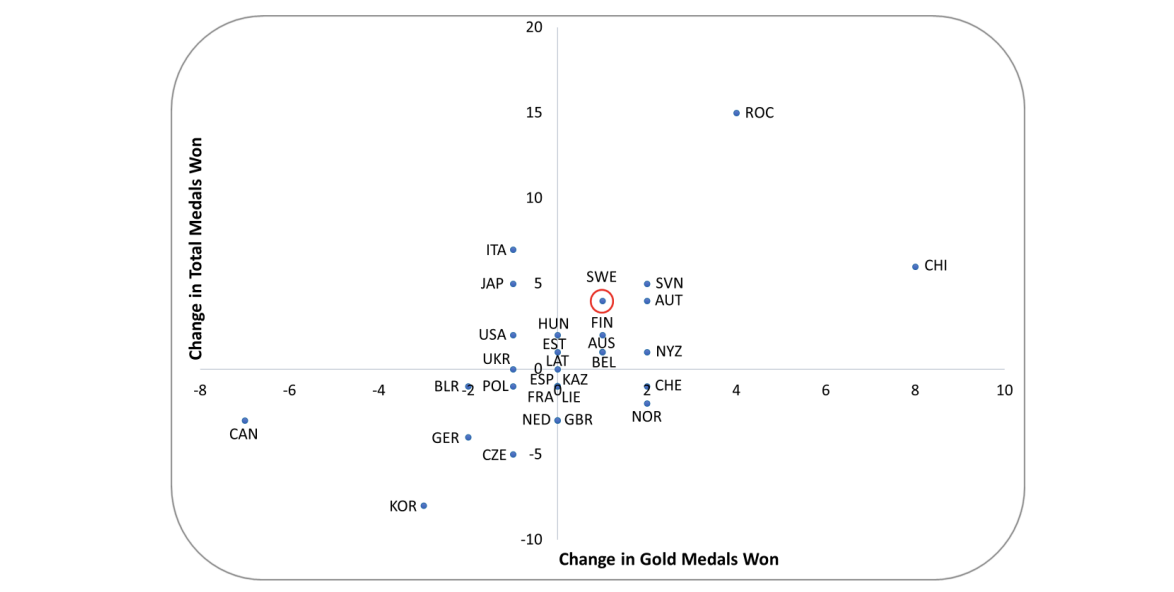
A nation’s status in elite sport is not defined solely by its performance in the Summer Olympic Games, and the analysis shown in Figure 3 can be replicated with the Winter Olympic Games data. In this case, we compare performance in Beijing 2022 with PyeongChang 2018.

Figure 4. Change in gold medals and total medals in Beijing 2022 versus PyeongChang 2018

Note: De Bosscher, Shibli et al., 2021

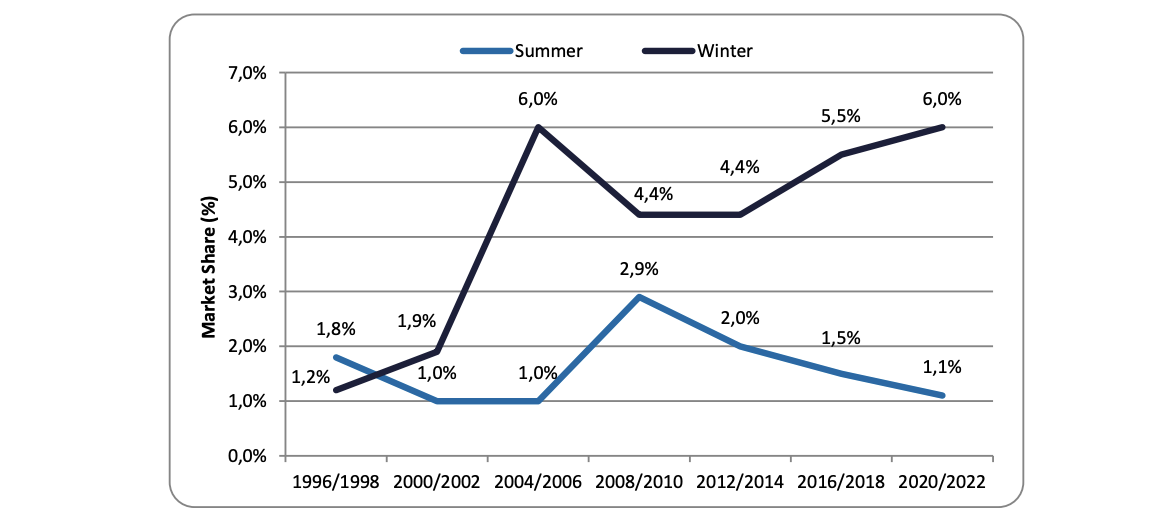
Figure 4 shows that Sweden’s change in medals won between 2022 and 2018 places it in the (desirable) top right-hand quadrant, with an increase of one gold medal and four medals in total. This improvement was sufficient to lift Sweden from 6th place in the 2018 medals table, to 5th place in 2022. The difference in medal table placings (21st and 21st, respectively 6th and 5th) in the two most recent editions of the Summer and Winter Games points at Sweden being stronger in Winter Olympic sports, than Summer Olympic sports. This hypothesis can be proven by looking at the standardised measure of performance known as “market share”.3

Figure 5. Sweden’s market share percent in the last seven editions of the Summer and Winter Olympic Games

The data in Figure 5 show two clear points. First, in the time period under review, Sweden is significantly more successful in the Winter editions of the Olympic Games, than the Summer editions. We draw this conclusion because of the higher market share scores achieved in the Winter Games, than those achieved in the Summer Games; e.g. 6.0 percent in Beijing 2022 versus 1.1 percent in Tokyo 2020. Second, because of the diverging lines between Winter and Summer sports from 2008/2010, we can conclude that Sweden is becoming progressively better in Winter sports, whilst simultaneously becoming progressively worse in Summer sports. If there is a state-sponsored approach to elite sport development in Sweden, then it is being successful in Winter sports, but less so in Summer sports. This one finding alone prompts an investigation into the simple question: “Why?”

Understanding the international arena well is important for nations to make strategic decisions. The next sections focus on the policy systems and evaluation of the nations involved in SPLISS’ international comparisons, conducted between 2008 and 2020. Although Sweden was unable to participate in these studies, the insights may help policymakers to develop a better understanding of their own system in an international context.

2. For a more detailed and longer term view of Sweden’s performance in Summer and Winter editions of the Olympic Games, Appendix 1 contains a breakdown of medals won, by type, in each of the last seven editions of both the Summer and Winter Games.

3. Market share converts each medal won to a points score, whereby gold = 3, silver = 2, and bronze = 1, and expresses a nation’s total points as a percentage of the total number of points available. This technique enables us to compare a nation’s performance in the Olympic Games over time on a standardised basis, i.e. controlling for the difference in the number of events over time (see Figure 1). It also enables us to compare performance in different events, such as the Summer and Winter editions of the Olympic Games, on a standardised basis.

Background on SPLISS

SPLISS is an international network of research cooperation that aims to coordinate, develop, and share expertise in innovative high-performance sport policy research in collaboration with policymakers, National Olympic Committees (NOCs), international (sport) organisations, and researchers worldwide. SPLISS offers several frameworks and free downloadable publications on its website www.spliss.net.

The first SPLISS project (SPLISS 1.0), delivered in 2008 by an international consortium of researchers, was a study comparing elite sport policies in six nations (Belgium [Flanders and Wallonia], Canada, Italy, the Netherlands, Norway, and the United Kingdom). Based on the development of a theoretical model, a pilot study in six nations resulted in a published PhD study (2007) and a book.4

The SPLISS 1.0 study was characterised by three elements: (1) the development of a theoretical model of sport policy factors leading to international sporting success, consisting of nine Pillars, with the identification of more than 100 Critical Success Factors (CSFs); (2) the use of mixed methods research, including the development of a scoring system to measure the competitive position of nations in elite sport – this was presented as a “traffic light”, to indicate the relative performance of each nation for each Pillar measured; (3) the involvement of the main stakeholders in elite sport as part of the research methodology – 1090 athletes, 273 coaches, and 71 performance directors in the six nations were asked to express and rate their views about their elite sport systems.

Irrespective of anecdotal evidence about the relationship between policy actions and elite sport success, SPLISS 1.0 did not fully provide conclusive evidence. In policy research, it is hard to conduct an experiment where the impact of a single or series of policy factor(s) on output measures is determined, in a controlled environment. It also became clear that various research paradigms deliver multiple (causal) models, that may explain the production of elite sporting success.

To address these issues, the SPLISS methodology has further developed to take in more nations and delve deeper into the different CSFs and their relationship with success, reflected in the name SPLISS 2.0.5

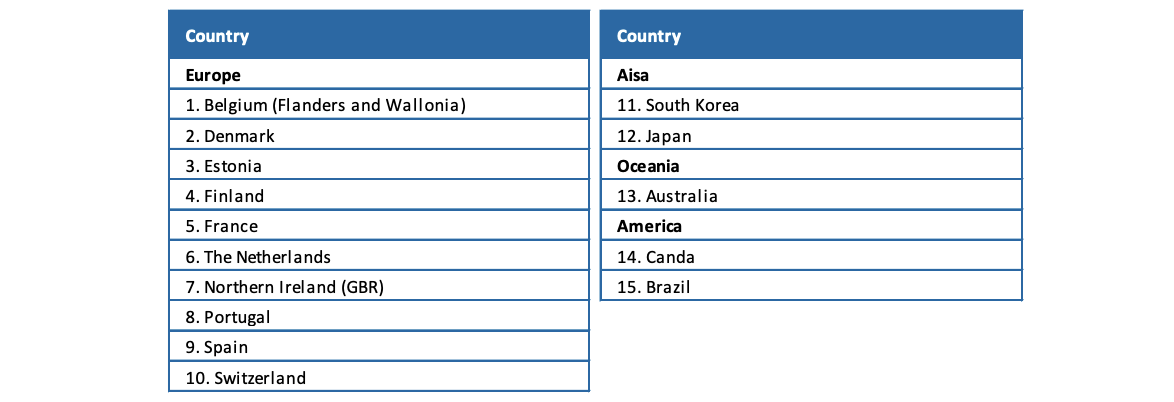
The SPLISS 2.0 project involved 15 nations (see Table 1), and responses from more than 3 000 elite athletes, over 1 300 coaches, and 241 performance directors that provided deeper insights into the effectiveness of elite sport policies. This allowed us to develop a more comprehensive scoring methodology, and to obtain deeper insights into the relationship between elite sport policies and sporting success of nations. When the SPLISS 2.0 project was announced, any interested nation was invited to participate, under the condition that they were able to collect the comprehensive data set and follow the research protocol. Despite the interest of Swedish policymakers and researchers, no consensus was found to take part at that time.

In every nation individual researchers and teams in research institutes were the drivers of the SPLISS 2.0 project. They collected the data and coordinated the research project in their own country, sourced local research funding, and ensured that the objectives of their funders, policymakers, NOCs, and national governing bodies were achieved.

Table 1. Countries involved in SPLISS 2.06

To provide a better understanding of the international context of elite sport for the Swedish elite sport system, the current chapter uses international data from the SPLISS 2.0 study (2015, 15 nations), complemented with financial data from the SPLISS light study (16 nations) that was conducted after the Olympic Games of Tokyo 2020 (free download https://spliss.research.vub.be/publications).7

4. De Bosscher, V., Bingham, J., et al. (2008). The Global Sporting Arms Race: An International Comparative Study on Sports Policy Factors Leading to International Sporting Success. Oxford: Meyer & Meyer Sport. (173 p.).

5. De Bosscher, V., Shibli, S., et al. (2015). Successful Elite Sport Policies: An International Comparison of the Sports Policy Factors Leading to International Sporting Success (SPLISS 2.0) in 15 Nations. Oxford: Meyer & Meyer Sport.

6. 13 full nations and three regions: Flanders and Wallonia (Belgium) and Northern Ireland.

7. De Bosscher, V., Shibli., et al. (2021).


How we work: key characteristics of SPLISS

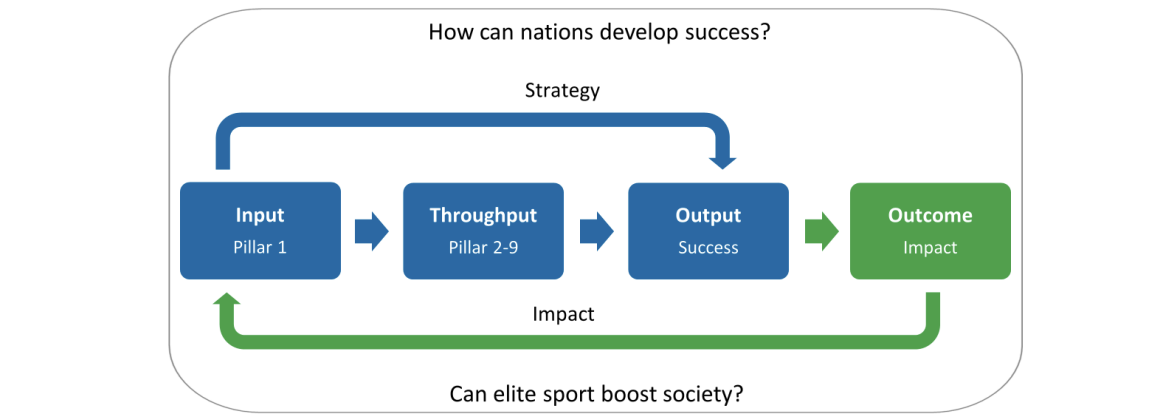
The objective of SPLISS research is to better understand which (and how) sport policies lead to international sporting success, and to obtain a better insight into the effectiveness and efficiency of elite sport policies of nations at an overall sports level. It takes existing inputs (i.e. financial resources, funding) and output (e.g. medals, competition results) calculations, and takes the “black box” of throughput, or processes of elite sport policies, into consideration as the critical link between resources put into the system, and results that are delivered (see Figure 6).

Throughputs refer to the efficiency of sports policies, that is, the optimum way the inputs can be managed to produce success in elite sport.8 Using the Messi framework (Measuring Elite Sport Societal Impact)9, SPLISS also deals with the societal impact of elite sport on society at large; the apparent reasons that governments invest in any elite sport system. To triangulate our findings, we use the insights of athletes, coaches, and performance directors worldwide.

Figure 6. The SPLISS process diagram: a multidimensional model to measure effectiveness of elite sport policies

Note: De Bosscher, Shibli et al., 2021

SPLISS theoretical model: nine Pillars as policy components of elite sport success

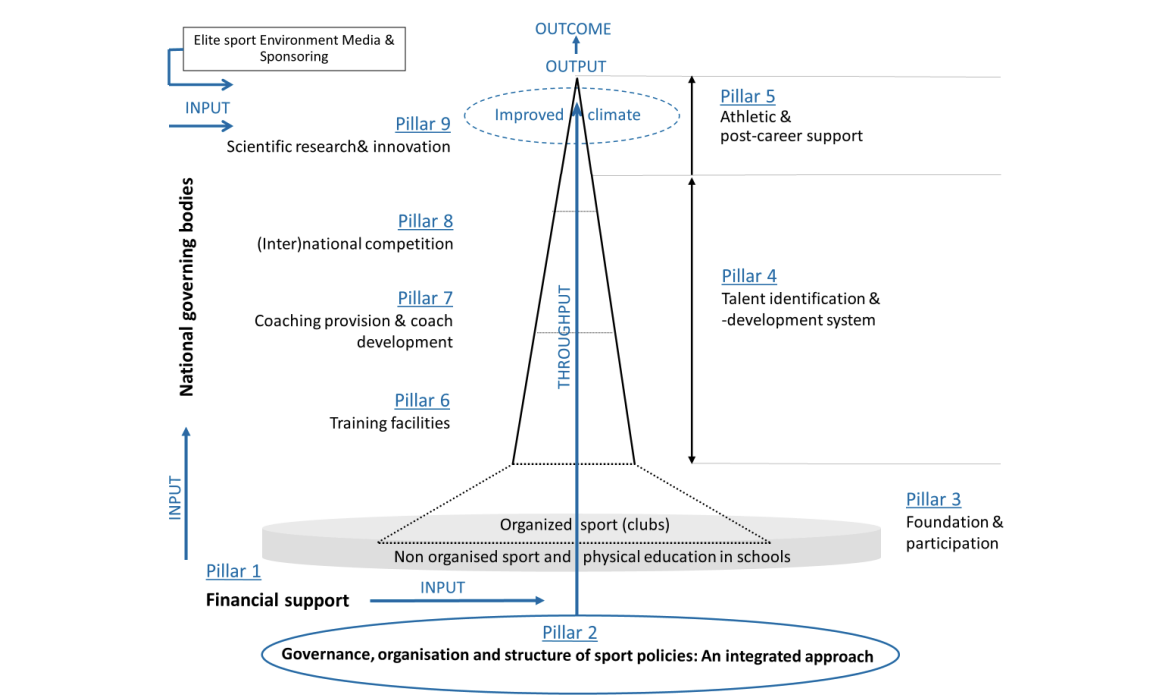
The factors influencing success can be classified at three levels: macro-, meso-, and micro-level. Macro-level factors influence the (dynamic) social and cultural environments in which people live, including economy, demography, geography and climate, urbanisation, politics, and national culture. Meso-level factors influence the policy environment of nations. At the micro-level are factors that influence the success of individual athletes, ranging from the influence of inherited genes to the social influence of parents, friends, and coaches. Research has shown that over 50 percent of international success of countries can be explained by three variables: population, wealth (GDP/cap) and (former) communism.10 As nations have become strategic in the way that they produce elite athletes, “they rely less on these uncontrollable variables and more on variables which are widely regarded as being components of an elite sports development system”.11 Nations therefore focus on developable factors, which are reflected in the SPLISS model to determine the effectiveness and efficiency of elite sport policies (see Figure 7).

8. De Bosscher, V., De Knop,P., et. al (2006). “A Conceptual Framework for Analysing Sports Policy Factors Leading to International Sporting Success”. In European Sport Management Quarterly, vol. 6, no. 2, pp. 185– 215.

9. De Rycke, J. & De Bosscher, V. (2019). “Mapping the Potential Societal Impacts Triggered by Elite Sport: A Conceptual Framework”. In International Journal of Sport Policy and Politics, vol. 11, no. 3, pp. 485–502.

10. De Bosscher, V., Shibli, S., et. al (2015).

11. Ibid, p. 37.

Figure 7. The SPLISS model: a theoretical model of 9 Pillars of sports policy factors influencing international success

Note: Reprinted with permission from Taylor & Francis Ltd, http://www.informaworld.com, and slightly adapted from De Bosscher et al., 2006

Critical Success Factors (CSF) that drive the nine Pillars

The nine Pillars are underpinned by 96 CSFs and measured by 750 sub-factors. The Pillars and CSFs that make up the Pillar can be seen as the ingredients of an elite sport system. As stated by Marcel Sturkenboom, former director of the Dutch National Olympic Committee and National Sport Federation (NOC*NSF), “having the ingredients does not automatically lead to success. How you bring the ingredients together is what counts”. As outlined in Table 2, a total of 96 CSFs and 750 sub-factors have been measured in the SPLISS 2.0 project. A detailed overview of all CSFs is provided at https://spliss.research.vub.be/about-spliss.

Table 2. a) Overview of the number of CSFs in the 9 Pillars measured in the SPLISS model and b) Spearman’s rank correlations (r2) with success for the 9 Pillars

** P<0.01; * p<0.05; the correlations are taken only for the countries where data are complete, which explains the different N-values; Note: De Bosscher, V., Shibli, S., et al., 2015

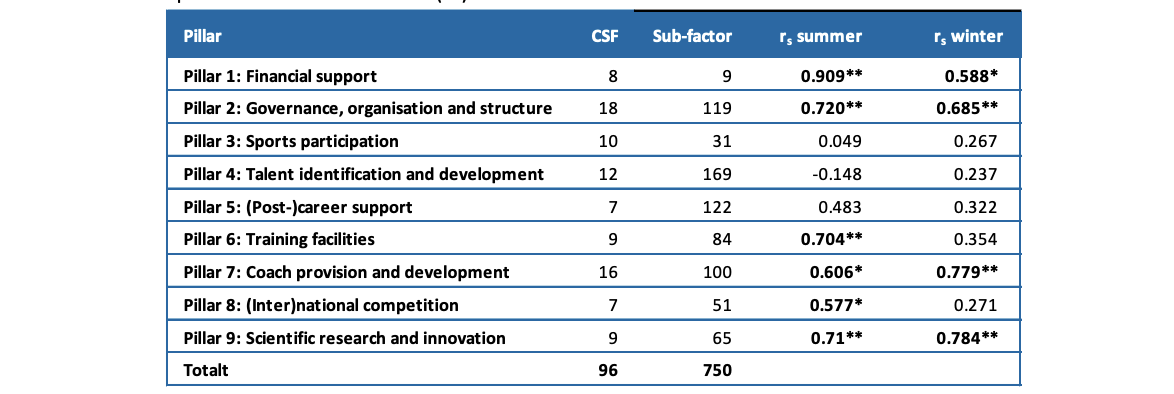
Overall, most Pillars correlate positively and significantly with success, either in
summer or winter sports: Pillar 1 (financial support), Pillar 2 (organisation, structure and governance), Pillar 7 (coaches) and Pillar 9 (scientific research and innovation) are the four Pillars that correlate significantly with sporting success for both
summer and winter sports. Pillar 6 (training facilities) and Pillar 8 (national and
international competition) correlate significantly with summer sports only (see
Table 2).

An interesting finding is that Pillar 5 does not correlate significantly with success, which may be explained by the relatively high level of development that was found in all nations (also low-performing nations). Also, Pillars 3 and 4 are not strongly correlated with success. Relatively low scores on these Pillars were found in successful countries, and higher scores were especially notable in smaller countries.

Athletes, coaches and performance directors involved in the evaluation process using a mixed methods approach

SPLISS 2.0 used a mixed methods research protocol to collect and analyse a comprehensive amount of data on the nine Pillars and their CSFs. Research data were collected by a local researcher from each country in two ways.

First, an overall elite sport policy inventory, which was a comprehensive research instrument in its own right, was used to collect mainly qualitative data on all Pillars identified. It was completed by the relevant researchers in each country through interviews with policy agencies and analyses of existing secondary sources, such as policy documents. The inventory consisted of 96 CSFs, 212 questions and 184 pages covering all the Pillars.

covering all the Pillars. Second, a survey aimed at evaluating the elite sports climate (in nine Pillars) from the perspective of top-level athletes, top coaches and high-performance directors worldwide. 12 A total of 3 142 athletes competing in 37 different sports, 1 376 top coaches and 241 high-performance directors completed the surveys. This served two purposes: (1) to gather (mainly quantitative) information on indicators or “facts” that cannot easily be measured (using dichotomous questions) and (2) to measure success indicators as they are perceived by their primary users.

No other study in the international literature on elite sport uses such an in-depth policy evaluation, including the evaluation by the main stakeholders in elite sport, with a mix of qualitative and quantitative research methods covering 96 CSFs. We refer to De Bosscher (2018) for an overview of these other studies and the methods used.13

Measurement and scoring methods to evaluate the nine Pillars

The scoring system used by SPLISS is what makes the project unique in its policy evaluation methods, compared to other evaluations of elite sport systems. Inspired by economic methods, the CSFs of the nine Pillar model were transformed into measurable units that were individually scored and aggregated into a final score for each Pillar, called Composite Indicators (CIs). A total of 750 sub-factors (from quantitative and qualitative data of the inventories and surveys), were allocated a score between 0 and 1, aggregated into the 96 CSFs and subsequently into CIs for each of the nine Pillars, depending on the source (elite sport climate survey or sport policy inventory) and type of question (open ended, dichotomous or assessment).

While the SPLISS studies remain merely qualitative research, with extensive texts and descriptions of elite sport systems, the scoring system shows how a complex and large amount of international data on elite sport policies in 15 nations (over 3 000 pages and responses of 3 142 elite athletes, 1 376 elite coaches and 241 performance directors) have been compared and objectified into easily understood formats.

The use of CI scores has strengthened the SPLISS work in many ways. Some advantages are:

  • Enabling users to summarise complex, multi-dimensional realities on elite sport policies into easily understood formats; to compare complex dimensions effectively.
  • Providing better ease of interpretation than a battery of many separate indicators or descriptive texts; facilitating communication with the general public and promoting accountability. Also being useful to facilitate pattern recognition.
  • Increasing insights into the relationship between elite sport policy indicators and success; between different Pillars and CSFs.
  • Being useful to assess progress/change of elite sport policy indicators of countries over time.14

However, researchers and policymakers also need to be aware of the dangers when looking at the scores, for example:

  • Only looking at total Pillar scores, and not how they were constructed, may send misleading policy messages or be misinterpreted.
  • Scores may overlook how elite sport policies interact with the broader social, cultural, and political context.
  • Scores can be misused, e.g. for benchmarking, with poor policy implementation or to support a desired policy.
  • It is time-consuming and difficult to manage all data, and there is a time lag between different countries when reporting data.

These elements are retrieved from existing research. We refer to De Bosscher (2018)15 for a detailed description of the measurement methods. As this chapter will merely focus on the scores by nations, we also refer to De Bosscher et al. (2015)16 for a broader understanding of the national systems of nations involved in the study.

12. An elite athlete is regarded as an (able-bodied) athlete who, whether as an individual or as part of a team, is ranked in the world top 16 for his or her discipline, or in the top 12 of any equivalent continental ranking system OR an athlete who receives direct or indirect funding and/or other services via a support programme funded and/or organised on a national (or regional) basis for the purpose of achieving success. An elite coach trains elite athletes (as defined) or talented youths in a national/regional trainings centre. The high performance director is the head of the elite sport department of a National Governing Body (or National Sport Organisation/Federation.

13. De Bosscher, V. (2018). “A Mixed Methods Approach to Compare Elite Sport Policies of Nations: A Critical Reflection on the Use of Composite Indicators in the SPLISS Study”. In Sport in Society, vol. 21, no. 2, pp. 331– 355.

14. Ibid.

15. Ibid.

16. De Bosscher, V., Shibli, S., et. al (2015).

Pillar performance in 15 nations

Using radar graphs to visualise nations’ performance, we plot the nations’ scores against the sample average and against the maximum scores on each Pillar. This approach enables us to see at a glance the relative strengths and weaknesses of each nation, and also to make an assessment of the most obvious areas for improvement. We start with general scores of successful nations in summer and winter sports, followed by the summary radar graphs of small nations.

Successful nations in summer sports

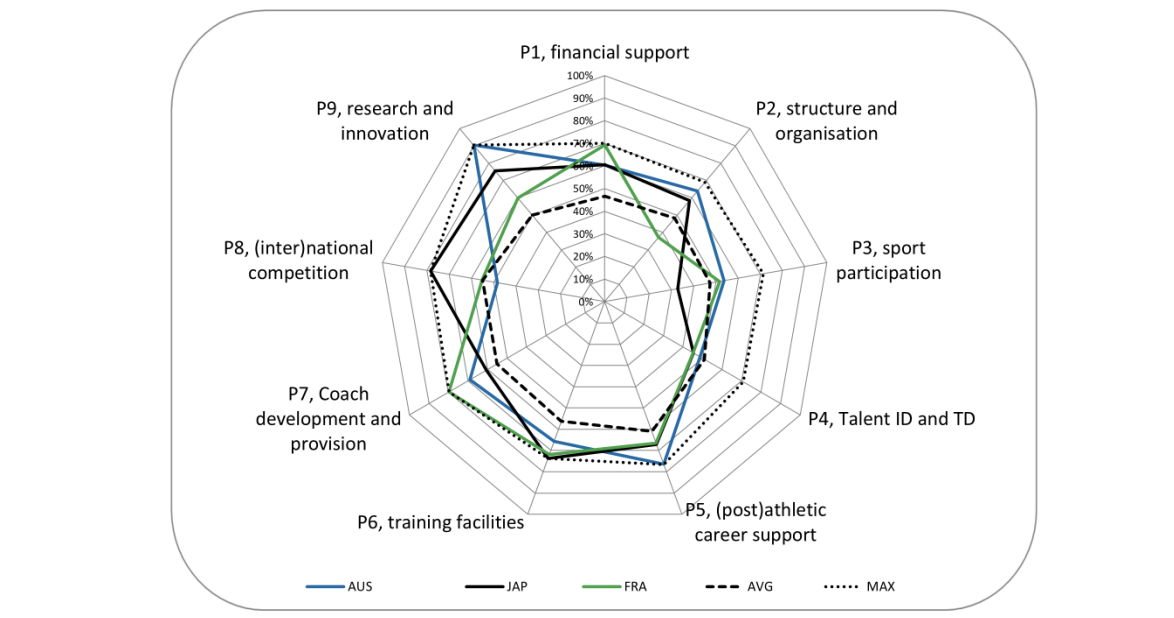
Figure 8 shows the Pillar scores for the three most successful nations in summer sports.

Australia has developed its success over more than twenty years, since the establishment of the Australian Institute of Sport (AIS) in 1981. Consequently, the Australian system has become a benchmark for many other nations. Australia has a mature, well-developed system and achieved the highest combined Pillar score of all countries. Its greatest strengths are in Pillar 9 (research and innovation) and Pillar 5 (athletic career support). Australia scores above average on seven of the nine Pillars, and is below average on Pillar 4 (talent) and Pillar 8 (national and international competition).

Japan is a nation that can be seen as a late developer in adopting best practices from, among others, Australia. Since their National Training Centre was established in 2008, Japan has gained a competitive strength in Pillar 6 (training facilities). Japan’s scores now exceed all countries’ on Pillars 6 (training facilities) and 8 (national and international competition). Only on Pillars 3 (participation) and 4 (talent) does Japan score below average.

France has quite a different configuration of factors compared with Australia and Japan. It has some of the highest scores on Pillar 7 (coaches), Pillar 1 (financial support), and Pillar 6 (training facilities), yet on Pillar 2 (organisation and structure) France achieves a surprisingly low score. Findings for France need to be considered in light of two possible explanations. First, operationally there is tension between the French Olympic Committee and the State, which may lead to a sub-optimal organisational framework. Second, methodologically several elite sport climate survey data were missing, which may have an impact in this regard.

Figure 8. Radar graph of Australia, France and Japan compared to the average and maximum scores of 15 nations

Note: ©SPLISS, reprinted with permission from Meyer & Meyer

Successful nations in winter sports

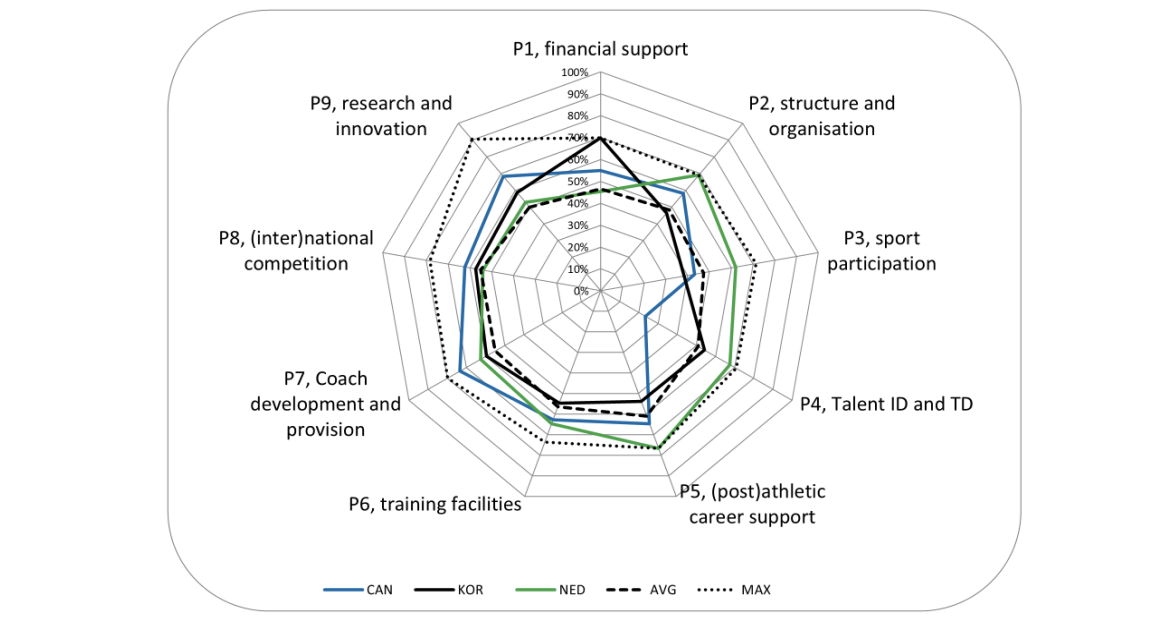
Similar to for summer sports above, we examine first the top three performing countries: Canada, the Netherlands and South Korea. Figure 9 shows the strengths of Canada on the left-hand side, in Pillars 7 (coaches), 8 (national and international competition) and 9 (research and innovation). By contrast, the Netherlands’ strengths are on the right-hand side of the graph, in Pillars 2, 3, 4 and 6 (organisation and structure; participation; talent; training facilities), showing the importance of its organizational model. This key strength not only enhances sport participation and talent development (mainly in speed skating), but also proves to be effective and efficient in filtering that broad participation base into subsequent elite sporting success (at least in this sport).

South Korea has the highest financial support for elite sport of all SPLISS 2.0 nations, yet it scores only around the average on most Pillars. Digging deeper into South Korea’s investment in elite sport, one may conclude that an important objective is international exposure – through the organization of international events (53 percent of elite sport expenditures). Furthermore, the results for Pillar 5 (athletic career support) showed that South Korea also had the highest average funding for athletes, and the highest number of athletes in the higher income categories. Funding is clearly an important tool for South Korea to facilitate its elite sport ambitions.

Figure 9. Radar graph of Canada, Korea, and the Netherlands compared to the average and maximum scores of 15 nations

Note: ©SPLISS, reprinted with permission from Meyer & Meyer

Overall we can conclude that even successful countries do things differently, and as such they can continue to learn from each other. There is no “one size fits all” approach that is applicable to all nations. This realisation also offers considerable scope to carve out strategies that focus on Pillars, where countries feel that they may have a comparative advantage that enables them to outperform their rivals.

Small successful nations

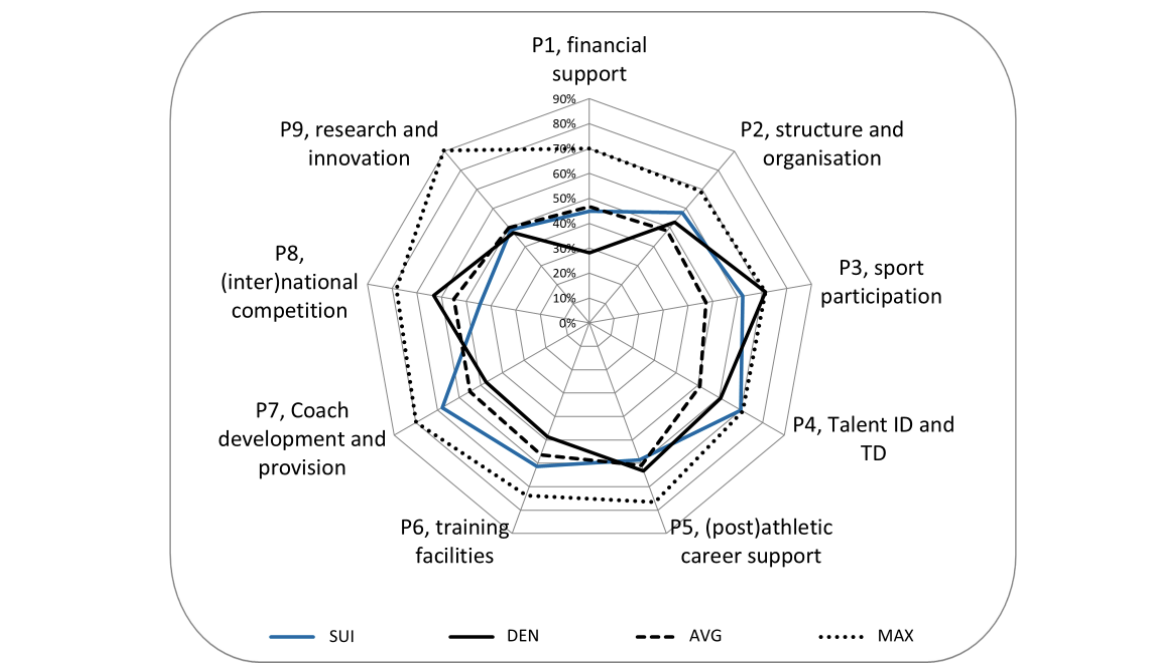
Switzerland and Denmark can be identified as small nations (with a population of < 10 million) that have had continuous average success rates in both summer sports and winter sports. These countries won 7/13 and 15/11 medals in Rio and Tokyo respectively, and Switzerland was ranked 8th in Beijing (15 medals).

As seen in Figure 10, both nations also have their strengths in different Pillars, but the general pattern is quite similar to the Netherlands’, with higher scores on Pillar 2 (organisation and structure), Pillar 3 (participation) and Pillar 4 (talent). In addition, Switzerland is well-developed in Pillar 6 (training facilities) and Pillar 7 (coaches), whereas in Denmark, scores are higher for Pillar 5 (athletic career support) and Pillar 8 (national and international competition). It can be argued that these smaller nations can differentiate themselves from bigger nations by their ability to utilize the maximum potential of their athletes to create elite sport achievements, and have a strong coordination on elite sport – with relatively high autonomy given to the sports.

Figure 10. Radar graph of Denmark and Switzerland compared to the average and maximum scores of 15 nations

Note: ©SPLISS, reprinted with permission from Meyer & Meyer

Summary SPLISS Key findings

No blueprint for success

Whilst the SPLISS project has identified that there is a strong positive relationship between the Pillar scores and success, it is also clear from our data that the manner in which scores on the same Pillar were compiled varies greatly between nations. Similar summary scores may be the result of (the combination of) quite different sub-factor scores.

There is therefore no generic blueprint that can be simply lifted from one context and placed in another that will guarantee success. There are no sets of Pillars, CSFs or recognised best practices that can be copied and pasted between different contexts. The reality is that there are a set of broad principles around a common framework, that can be adapted to local circumstances in a culturally appropriate manner. Consequently, the most appropriate role for governments is one of enabling rather than providing. High performance sport is a highly specialised and dynamic environment that does not lend itself well to standard (blueprinted) bureaucracy to be replicated across national governmental systems, or across different sports.

Accordingly, the key challenge for nations is to find the right blend of system ingredients and processes that work best in their own context and culture, encouraging them to “benchlearn” from rivals, rather than merely benchmarking against them.

More MONEY IN equals more MEDALS OUT

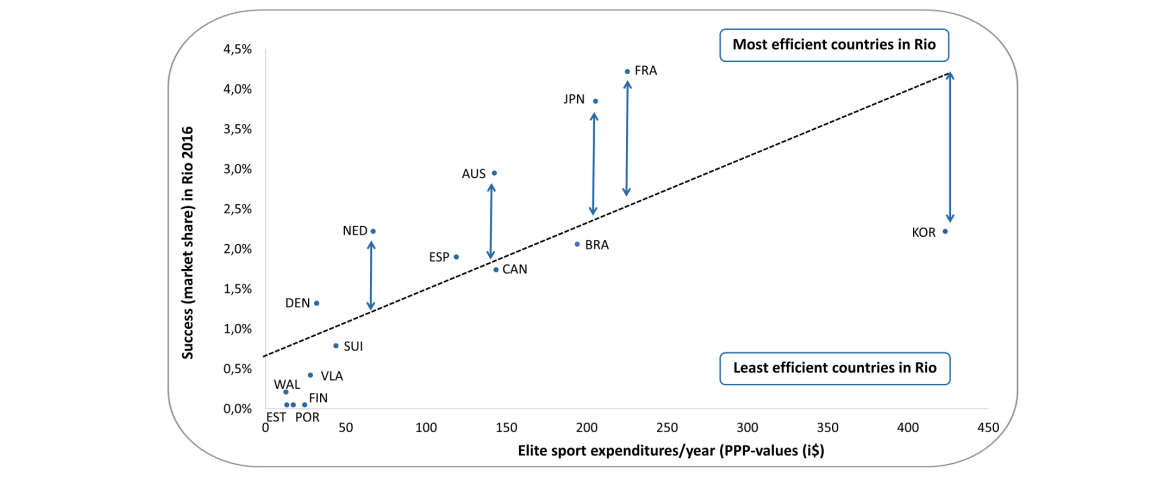
One of the key discussions about elite sport competition regards to what extent medals can be “bought”. The results in Figure 11 illustrate that there is a strong positive relationship between the absolute amount of elite sport funding invested by nations, and their subsequent success. The countries that invest most in elite sport (Korea, Japan, France, Australia and Canada, all with government/lottery funding over €100 million/year) are also the most successful nations in summer and winter sports. Nation by nation diagnostics shows that Australia, France, Japan and the Netherlands can be identified as the most efficient nations in summer sports given their investment in elite sport, being located above the line of best fit.

Figure 11. Elite sport expenditures and the success (market share) of the SPLISS nations at the Rio Olympic Games. r = 0.909**

Note: ©SPLISS, reprinted with permission from Meyer & Meyer

Funding does not guarantee success

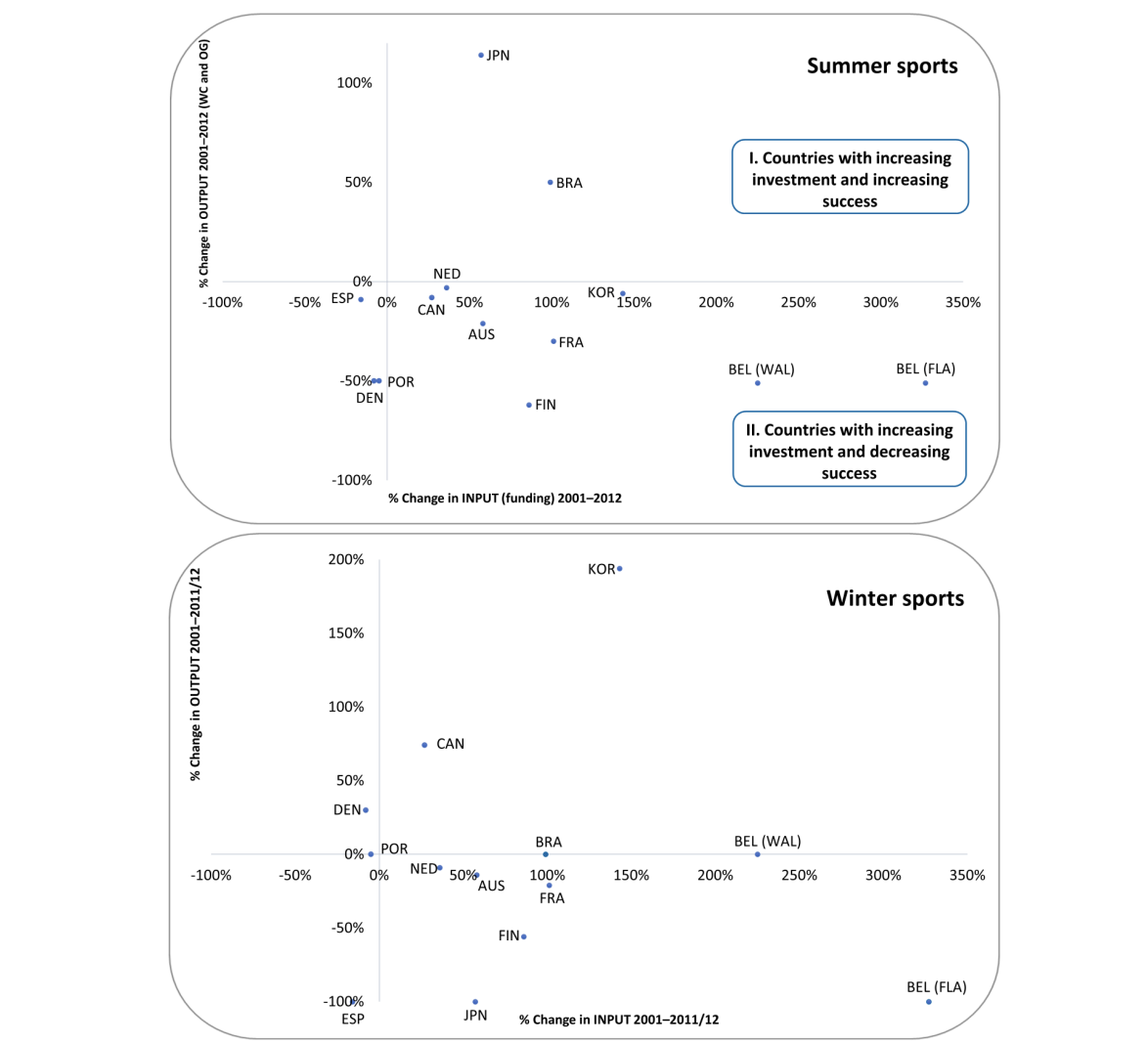
Although “money in equals medals out” it does not follow that “MORE money in equals MORE medals out”. As a matter of fact, in the case of most nations, more investment in the system was needed simply to maintain a consistent level of success. In reality, the nature of the global sporting arms race is such that there are diminishing returns to scale, in terms of additional resources and the extra output achieved from them. As shown in Figure 12 the return on investment over time has decreased for many nations – or in other words medals have become even more expensive. As a consequence, the rules of the game are dictated by what rival nations are doing, and not on what an individual nation is doing now, compared with what it did in the past.17

Figure 12. Relative increase/decrease of financial support (government/lotteries) (inputs) and success (market shares) since 2001

Note: ©SPLISS, reprinted with permission from Meyer & Meyer

Nations suffering from diminishing returns on investment were Australia, France, Finland and Belgium, whose expenditures increased but market share decreased (in relative terms) or stabilized over a ten-year period (between 2001 and 2011), both in summer and winter sports. Countries such as Japan and Brazil are investing heavily and becoming more successful (in summer sports), gaining market share from the established nations.

After identifying the absolute amount of financial resources that are invested, it is also important to consider the efficiency of nations, or the relative performance of nations. Efficient nations achieve “more” success with “less” investment. In future research, efficient nations need to be analysed in further detail to identify which Pillars they invest in most, and how any integration between Pillars is achieved.

More efficiently organized countries (Pillar 2) perform better

The countries that win more medals given the resources at their disposal can be described as “efficient” countries (e.g. Australia, France, the Netherlands and Japan for summer sports, and Switzerland, Canada and the Netherlands for winter sports – see Figure 11). Interestingly these countries (apart from France) also have the best scores on Pillar 2: the organisation, structure and governance of elite sport.

It can be argued that these countries have the most integrated approach to elite sport development. What these countries have in common is a strong national coordination of activities, with a clear decision-making structure, strong involvement of athletes and coaches in the policy-making process, full-time management staff in the national sport association (NSA), and a high level of service-oriented policy towards their National Governing Bodies/federations/ national sport organisations) – but with accountability principles, long-term policy planning, and political recognition. They also target their resources on only a relatively small number of sports, through identifying those that have a real chance of success at world level.

Sports participation and talent development: the nonsignificant Pillars?

It might come as a surprise to many that our research shows no evidence of a direct link between policy actions that are intended to drive sports participation, or talent development and a nation’s success in elite sport (see Table 2). There is a considerable time period between participation and the podium, and a high dropout rate amongst those identified as talented and those who ultimately reach the top.

While it seems obvious that nations need a talent pool in order to have the chance to be successful in elite sport, there is no strong argument that countries need a broad participation base in sport in order to excel in elite sport. Nonetheless, our data show that the most successful nations do not spend the most on grassroots sport. The reality is that in most nations, elite sport development is a separate system, with independent system drivers, compared with grassroots sport. Analyzing the relationship between the two by linking sports participation to success is therefore the wrong way to discover if, and how, this relationship works. However it still holds true that countries first need sport participants, before they can create elite athletes. Each elite athlete was once just a beginner in his or her sport, and dependent on teachers and coaches at schools and clubs to develop their talent.

It seems that Pillars 3 and 4 (participation and talent) are not priority Pillars for short-term (quick fix) success in sport, but in the longer term they may provide a foundation for temporary competitive advantage, by delivering more talented athletes for selection into elite sport. We argue that participation indirectly influences success (in the long-term) because of it positively delivering a continuous supply of young talents. As smaller (less populated) nations have higher scores on Pillars 3 and 4, it seems that higher populated countries have relied more on the vast size of their participation and talent pool. If larger countries start to invest more in these Pillars, it is an approach that may well deliver performance improvement at the expense of smaller nations.

17 De Bosscher, V., Bingham, J., et al. (2008).

Why do nations invest in elite sport?

The MESSI framework

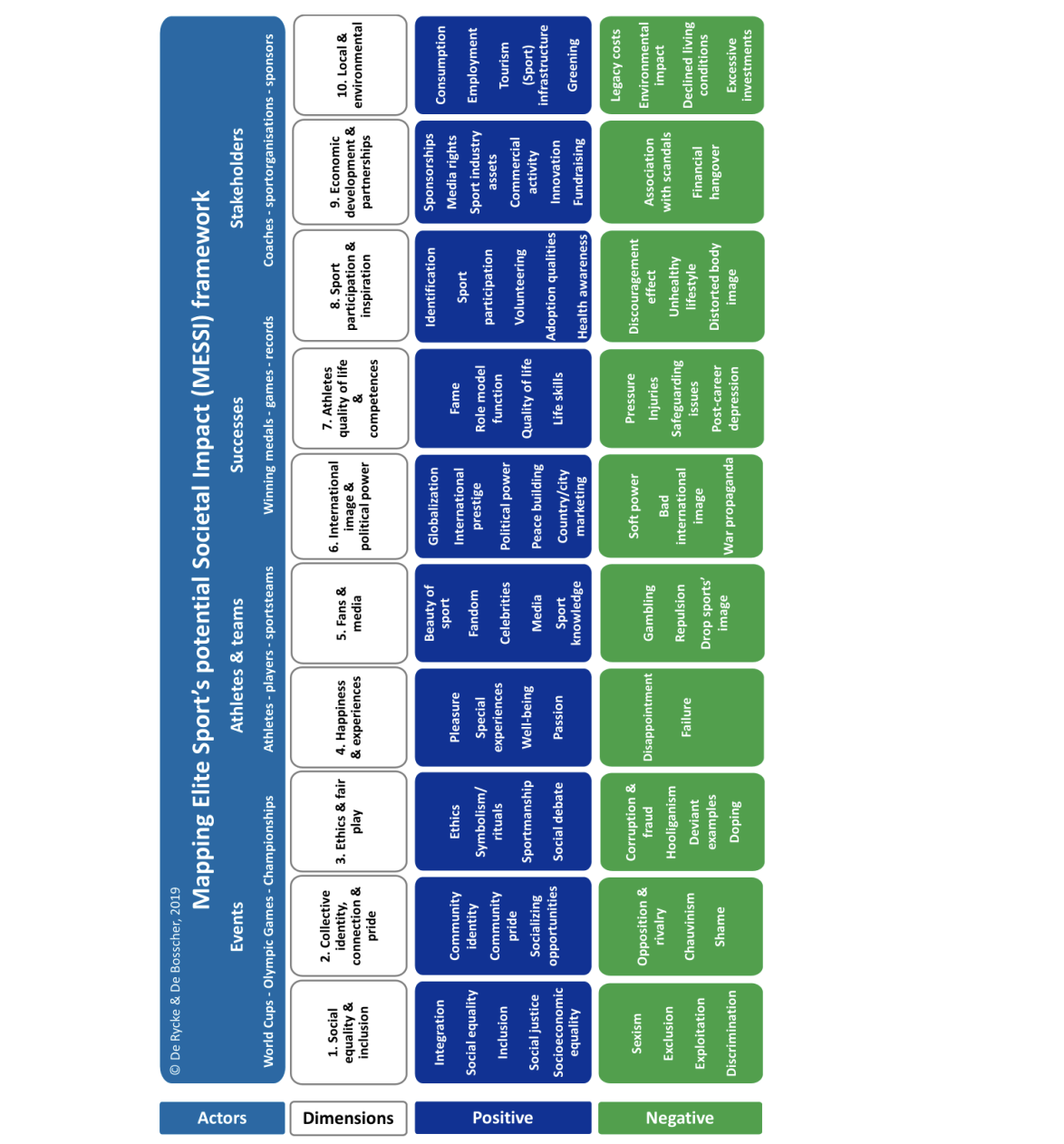
Considering the current upward trend of investing resources in sport, a better understanding of the public recognition of athletes (as role models) and opinion about (elite) sports’ societal impact is deemed valuable. However, there is little insight on the societal impact of major sport events, sporting success, sport stakeholders, and athletes as role models in particular. In a recent attempt to fill this gap and provide a complete understanding of the public’s perceptions of elite sport, De Rycke and De Bosscher developed the Mapping Elite Sport’s potential Societal Impact (MESSI) framework (see Figure 13). Based on the idea that “intrinsically, elite sport is neither beneficial nor harmful”18, this overarching and comprehensive framework summarizes and maps the potential positive, as well as negative, impacts of elite sport on society. An extensive literature review was conducted, whereby 391 studies were collected that provided empirical evidence for these social impacts. Based on this review, 79 distinct societal impact areas of elite sport emerged (47 positive social impacts; 32 negative social impacts), which were clustered into 10 categories: (1) social equality and inclusion; (2) collective identity, connection, and pride; (3) ethics and fair play; (4) happiness and experiences; (5) fans and media; (6) international image and political power; (7) athletes’ quality of life and competences; (8) sport participation and inspiration; (9) economic development and partnerships; and (10) local consumption and environment.

Figure 13. Mapping Elite Sport’s potential Societal Impact (MESSI) framework

Note:De Rycke, J. & De Bosscher, V. (2019)

Athletes4Society

The initiative to develop the Athletes4Society project, funded by Erasmus+, came from the continued struggle that sport federations, governments and other stakeholders worldwide face to manage the societal impact of elite sport and sport more broadly, often due to a lack of capacity, financing or inspiration. 19 Therefore, the Athletes4Society project aimed to inspire, support, and stimulate sports organisations to increase the public value of (elite) sport. More specifically, the objective was to develop and implement recommendations and tools to develop and optimize policies, campaigns or programmes, that successfully leverage elite athletes as role models.

To achieve this aim, the Athletes4Society project brought together ten partners within seven countries. Partners did not only include academics, but also sport organisations and private/innovation partners, to ensure the translation from theory to practice with the provision of hands-on material and tools for sport organisations.

In sum, the project entailed four different stages: (i) situation – i.e. insights on the perceived positive and negative societal impact generated by (elite) sport and athletes), (ii) inspiration – i.e. detect, investigate and share inspirational practices across Europe that actively leverage athletes as role models for societal value, (iii) support – i.e. build capacity amongst sport organisations by developing and testing an innovative inspirational toolkit and bootcamp, and (iv) stimulation – i.e. stimulate sport organisations to develop a programme with societal impact by launching the European Athletes4Society challenge.

Throughout the Athletes4Society project several outputs and publications were developed. Two key results entailed:

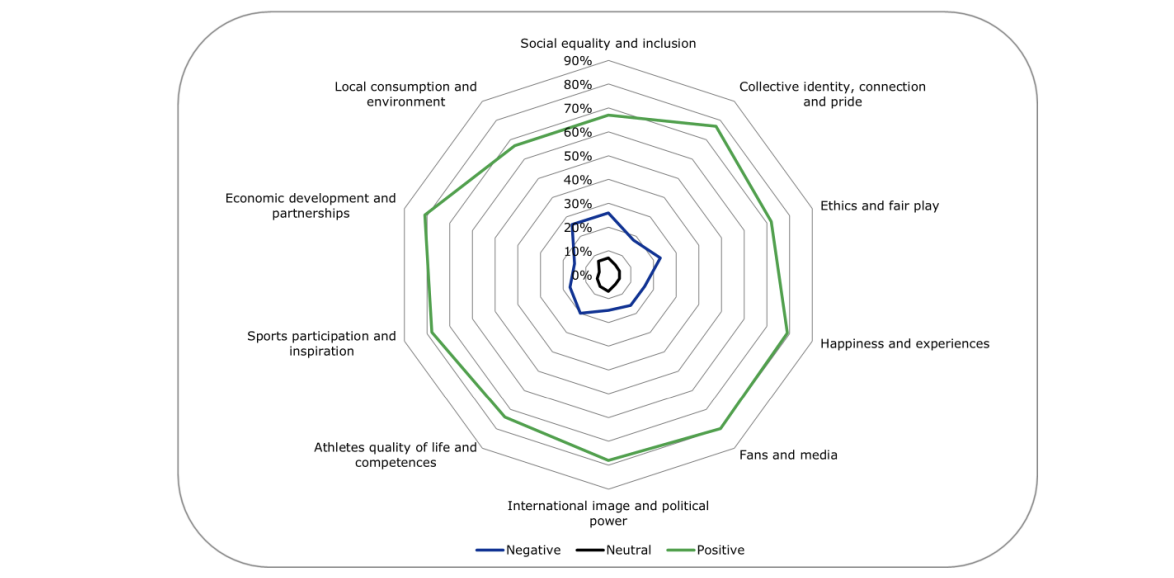
  1. A population survey (N = 10,400) was conducted in seven European countries (i.e. Belgium, the Netherlands, Poland, Portugal, France, the Czech Republic, and Finland). As shows, results revealed that European citizens had more positive than negative perceptions towards elite sport, and that their perceptions differed between the European countries in question. More specifically, the citizens of the surveyed European countries were most convinced that elite sport can have a positive impact on “happiness and experiences”, “fans and media”, and “collective identity, connection and pride”. The most negative impact was perceived on the dimensions “local consumption and environment”, “social equality and inclusion”, and “ethics and fair play” (see Figure 14).
  2. Development of an inspirational toolkit20 and boot camp21 including examples of inspirational practices, concrete guidelines, tools and templates. The toolkit and bootcamp are a step-by-step guide to design, and consequently implement, a role model programme together with one or more athletes, and form a comprehensive overview of the entire process of creating societal value by involving elite athletes as role models.

For more information about the Athletes4Society project and all related outcomes and publications, we refer to their website of A4S.22

18. De Rycke, J. & De Bosscher, V. (2019).

19. Taks, M., Chalip, L., & Green, B. C. (2015). “Impacts and Strategic Outcomes from Non-mega Sport Events for Local Communities”. In European Sport Management Quarterly, vol. 15, no. 1, pp. 1–6; De Rycke, J. & De Bosscher, V. (2019).

20. See https://spliss.research.vub.be/sites/default/files/2023-05/01_A4S_Toolkit_230508.pdf.

21. See https://spliss.research.vub.be/athletes4society-bootcamp.

22. https://spliss.research.vub.be/athletes-4-society.

Figure 14. Percentage of the surveyed European population’s perceptions towards elite sport (seven countries)

Final note

As described in this contribution, smaller nations like Sweden can take advantage in the long-term development of elite athletes by maximising the potential of talents through a broad sports participation basis and qualitative sport clubs, so that the influx of talent through the federation system is secured both in quantity and quality. Similarly, an effective system of talent identification and development requires long-term planning and multidimensional support services (fysio, mental, dietary, etc.) provided for young talents – all covered by scientific research, funding for federations specifically for talent identification and development, a nationally coordinated planning from club to national level, as well as national coordinated systems for the combination of elite sport and study in secondary and higher education (university/college).

Furthermore, it appears that efficient nations (i.e. nations that perform better than what could be expected based on financial resources) also have a well-developed structure and governance of elite sport (Pillar 2). This Pillar is characterised by:

  • Strong national coordination (mainly by one organization).
  • High performance managers that guide federations/sports clubs.
  • Full-time staff at the NSA responsible for elite sport development (services, communication, coordination).
  • Accountability of federations/NSOs – good relationship management and clear criteria for the evaluation of federations.
  • Long-term planning and strategy.
  • Good governance networks with sports clubs, municipalities and the industry.
  • Involvement of stakeholders (athletes, coaches) in elite sport policies.
  • Targeting the resources on only a relatively small number of sports, through identifying those that have a real chance of success at world level.

Sweden did, as previously mentioned, not partake in the large-scale international comparison of 15 nations; lessons it could use from the SPLISS study are described into more detail in SPLISS book 2015. More publications are available at www.spliss.net. In the future, the country might benefit from an elite sport policy evaluation on an individual basis and benchmark together with SPLISS, in collaboration with local Swedish researchers and policymakers.

Referenser

De Bosscher, V. (2018). “A Mixed Methods Approach to Compare Elite Sport Policies of Nations: A Critical Reflection on the Use of Composite Indicators in the SPLISS Study”. In Sport in Society, vol. 21, no. 2, pp. 331–355.

De Bosscher, V., De Knop, P., van Bottenburg, M. & Shibli, S. (2006). “A Conceptual Framework for Analysing Sports Policy Factors Leading to International Sporting Success”. In European Sport Management Quarterly, vol. 6, no. 2, pp. 185–215.

De Bosscher, V., Bingham, J., Shibli, S., Van Bottenburg, M., De Knop, P. (2008). The global Sporting Arms Race. An international comparative study on sports policy factors leading to international sporting success. Aachen: Meyer & Meyer. ISBN: 978- 1-84126-228-4. (173p). Free download athttps://spliss.research.vub.be/publications De Bosscher, V., Shibli, S. (Ed.), research published in collaboration with, Van Roey A., Descheemaeker, K. (Ed.), Bosshard, B., Botwina, G., Brockett, C., de Freitas Gonçalves Paulo, J., Castelo Branco Miranda Dias, P. D., Ferkins, L., Funahashi, H., Johnston, M., Kempf, H., Lämsä, J., Legg, D., Linley, M., Mäkinen, J., Mattsson, P., Mazzei, L. C., Laís de Lima, A., Nygaard, A., Patrício Ribeiro, T. M., de Oliveira Santos, T., Storm, R. K., Van Bottenburg, M., van der Roest, J.-W., Verherstraeten, F., Weber, A., Westerbeek, H., Zembura, P. & Zurmühle, C. (2021). Tokyo 2020: Evaluation of the elite sport expenditures and success in 14 nations. Brussels: SPLISS. https://cris.vub.be/ws/portalfiles/portal/79121773/Evaluation_of_the_elite_sport_e xpenditures_and_success_in_14_nations.pdf

De Bosscher, V., Shibli, S., Westerbeek, H., van Bottenburg, M. (2015). Successful elite sport policies: an international comparison in 15 nations (SPLISS 2.0). Aachen: Meyer & Meyer. ISBN: 978-1-78255-076-1.

De Rycke, J. & De Bosscher, V. (2019). “Mapping the Potential Societal Impacts Triggered by Elite Sport: A Conceptual Framework”. In International Journal of Sport Policy and Politics, vol. 11, no. 3, pp. 485–502. https://doi.org/10.1080/19406940.2019.1581649

Grix, J., & Carmichael, F. (2012). “Why do Governments Invest in Elite Sport? A Polemic”. In International Journal of Sport Policy, vol. 4, no. 1, pp. 73–90. https://doi.org/10.1080/19406940.2011.627358

Taks, M., Chalip, L., & Green, B. C. (2015). “Impacts and Strategic Outcomes from Non-mega Sport Events for Local Communities”. In European Sport Management Quarterly, vol. 15, no. 1, pp. 1–6. https://doi.org/https://doi.org/10.1080/16184742.2014.995116

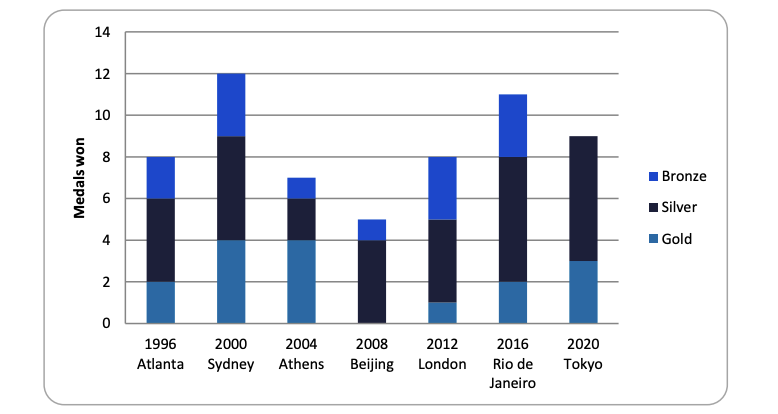
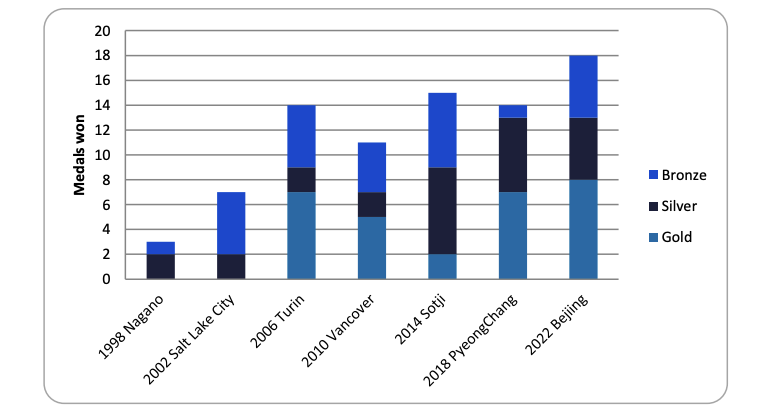
Appendix 1: Sweden in recent editions of the Olympic Games

Sweden at the Summer Olympic Games 1996–2020

Sweden at the Winter Olympic Games 1998–2022

Ladda ned kapitlet som PDF

Successful elite sport policies